
Better Finance, Better Grid
Mobilising capital to scale transmission grid capacity in South Africa to improve energy security, create jobs and support inclusive growth
Authors:
Mark Swilling, Erica Johnson, Lara Depla, Jesse Hoffman and Jeroen Huisman
Abstract:
The “Better Finance, Better Grid” report was produced in 2023 by the Centre for Sustainability Transitions at Stellenbosch University and the Blended Finance Taskforce. This report problematises the South African energy crisis by emphasising the need to strategically mobilise capital to scale the country’s transmission grid capacity, which is a constraint on energy security and the transition towards a low-carbon electricity system.
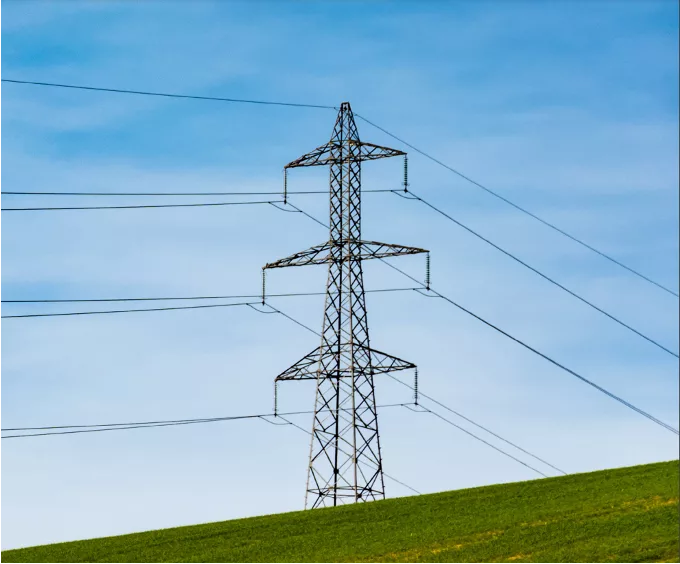
The report proposes a dual strategy for grid expansion, contextualising the expansion within short- and long-term planning and implementation. On the short-term side, the report argues that optimising current capacity is essential. This is because approximately 17 GW of capacity can be unlocked immediately through targeted investments in transformers. Developers should be incentivised to build in areas with existing grid capacity, even if renewable resources are slightly less favourable (which may increase generation costs by 10-15% but remains cheaper than new coal). Technical solutions include co-locating wind and solar, oversizing renewable plants, and deploying battery storage to maximise the flow of electricity through existing connections. The long-term side looks at scaling new infrastructure. The report argues that South Africa must increase its transmission build rate eightfold, from 300 km to
2,300 km per year. This requires building 14,000 km of new lines by 2032. And, of course, there are numerous financial and regulatory barriers that would inhibit the implementation of the proposed dual-grid expansion plan.
While it is estimated that the grid expansion will require R235–372 billion ($14–22 billion) over the next 10–12 years, there are three key financial and regulatory barriers. 1) Access to Capital: Eskom’s R392 billion debt burden makes it difficult to attract the necessary investment on-balance sheet. 2) Planning and Permitting: Major projects currently take 7–10 years due to complex land rights and environmental authorisation processes. 3) Procurement and Workforce: Current laws favouring local sourcing and a shortage of qualified personnel limit the ability to scale materials and labour rapidly.
The barriers are not insurmountable. However, the solution will require a national strategic programme to coordinate different government bodies and the private sector.
Finally, the report concludes that while a pathway to energy security exists, it is impossible without a massive, coordinated investment in the transmission grid today to prevent it from becoming a permanent blocker to economic growth and green industrialisation.
Categories:
reference:
Publication date:
March 2023